Reduce complex project and system questions to the actual technical state — as a supportable basis for internal decisions, escalation and improvement measures.
Short answer: Companies receive an independent technical second opinion on unclear project, delivery or system states. The examination makes assumptions, evidence, risks and technical options comparable without taking over management decisions.
Technical decision basis instead of premature management judgement
IT leaders often need to decide while project status, delivery state, technical cause or system risk remain unclear. An external technical second opinion can translate the available information into examinable questions and supportable evidence.
The objective is not to take over management decisions. The examination separates technical current state, reference criteria, risks, uncertainty and realistic technical options so that priorities can be set on a traceable basis.
Typical reasons for an assignment
in escalated or stalled IT projects where delivery state, causes or responsibility assumptions are technically disputed
before acceptance, migration, modernisation or material architecture decisions
when vendor and internal statements on software quality, security, data or AI differ technically
when management, IT leadership or governance bodies need an independent technical second opinion
Typical technical questions
Which technical delivery and project state has actually been reached?
Are alleged software defects reproducible, and which reference criterion applies?
Which architecture, security, data or operational risks are technically supported?
Which dependencies or missing evidence prevent a reliable decision?
Which technical options exist and what trade-offs do they involve?
Examination scope: The assessment provides a technical decision basis and can structure options and risks. Business, legal, financial, personnel and budget decisions remain with the client.
From management question to a supportable technical decision basis
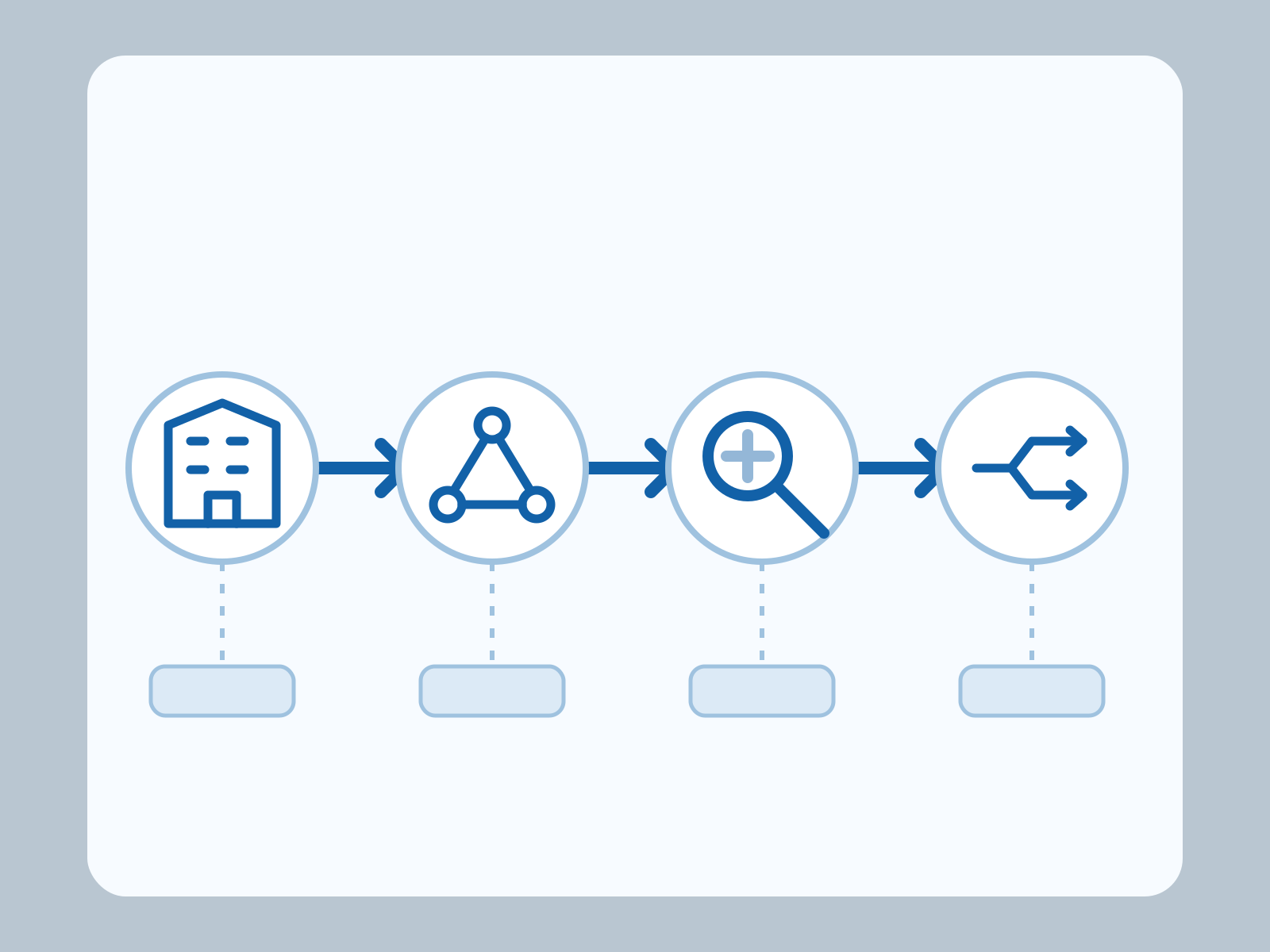
Company examination chain
From management question to a supportable technical decision basis
1Refine the decision questionTranslate the management problem into an examinable technical question and bounded scope.
2Determine the current stateReference relevant versions, systems, project states and data states unambiguously.
3Analyse the evidenceExamine documents, code, tests, logs and operating data for evidentiary value and contradictions.
4Classify optionsPresent findings, risks, uncertainty and technical options separately.
Technical analysis should improve decision capability, not replace decision authority.
The process steps link to the corresponding detailed examination methods in the knowledge base.
Typical examination material
Project and delivery records, requirements, tickets and acceptance criteria
Repositories, builds, releases, deployments and test evidence
Architecture, operations, security and monitoring information
Data models, data flows, analyses and AI/ML artefacts where relevant
Vendor and internal documentation and existing technical opinions
What you receive
an independent technical status assessment tied to the examined version, environment or project phase
a traceable comparison of findings, risks, open assumptions and missing evidence
technical options with relevant advantages, disadvantages and trade-offs where commissioned
a documented technical decision basis; management, budget, personnel and legal decisions remain with the client
Test model behaviour under changed conditions and boundaries.
Statement and decision boundary: The examination describes the technical state, risks and possible technical options. It does not replace management decisions, legal advice, contract interpretation, personnel decisions or budget decisions.
Frequently asked questions
When is an external technical second opinion useful?
Especially when internal and external participants evaluate the same technical facts differently, project states are unclear or a decision depends on technical assumptions that have not yet been tested reliably.
Can an ongoing project be examined?
Yes. The current intermediate state must then be distinguished clearly from a later final state. New evidence can change an earlier classification.
Does the examination include concrete recommendations?
Where commissioned, technical options can be described with advantages and disadvantages. Selection and implementation remain decisions of the client.
Prepare an independent technical second opinion
A concrete decision or dispute question, the relevant system or project state and the most important available evidence are usually sufficient to start. A bounded and reviewable examination scope can then be defined.