Data Science & AI Assessments
Technical examination of data quality, model validity, reproducibility, bias, robustness and documented AI-system behaviour.

Ing. Mathias Ellmann, M. Sc.
Independent technical assessments and expert reports on software architecture, IT projects, data models and AI systems – methodical, neutral and traceable.
Explore the knowledge baseMathias Ellmann works on technical questions involving software, data, Data Science and artificial intelligence. The methodology separates technical findings, interpretation, professional assessment and limitations.
The English version is being developed from the reviewed German V1 baseline. Pages remain excluded from indexing until the corresponding English content has passed terminology, source and quality review.
Open the German websiteIndependent technical examination of software, IT projects, data-driven systems and artificial intelligence.
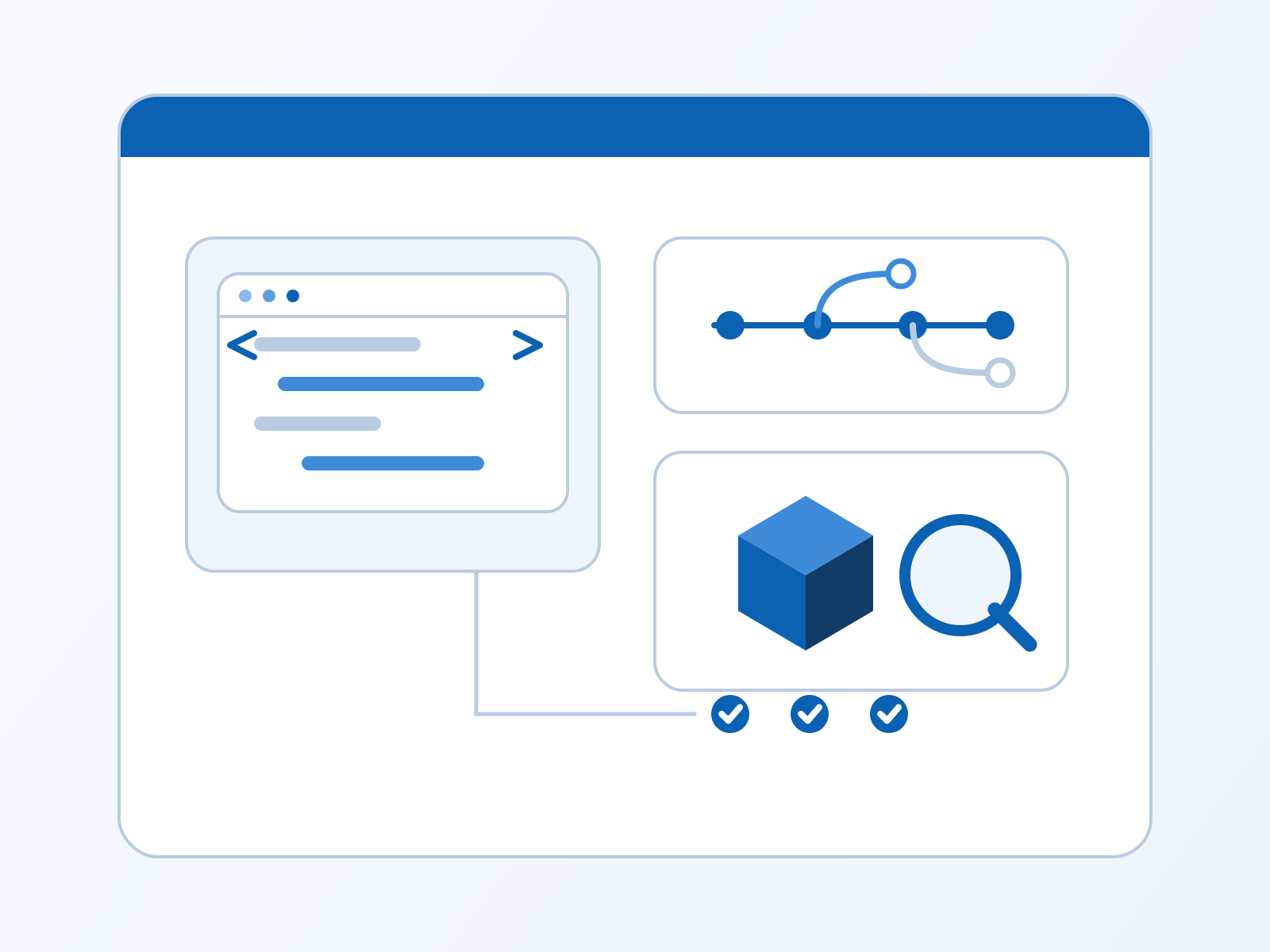
Technical assessment of architecture, source code, software quality, documentation and development processes.
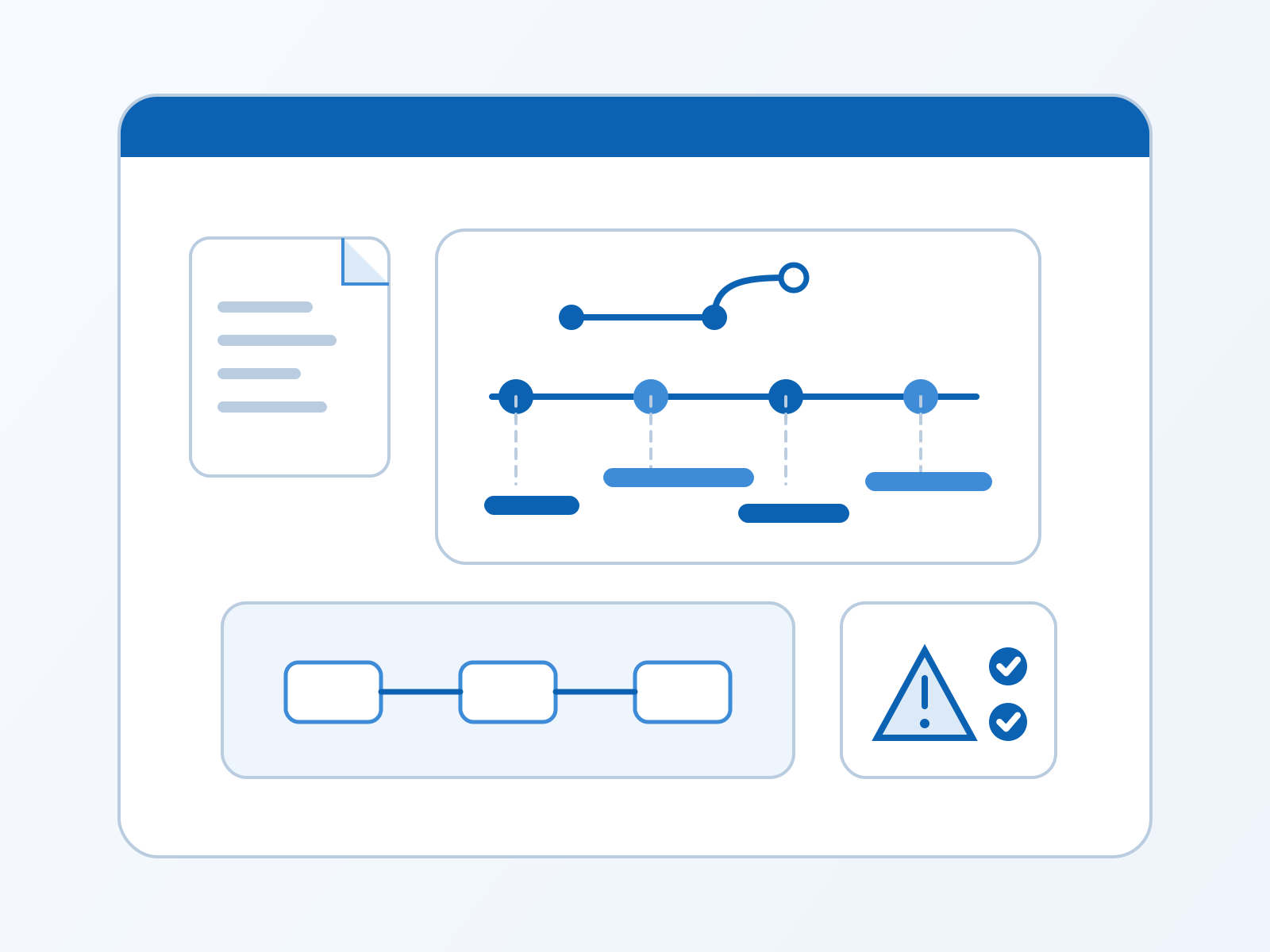
Reconstruction of requirements, change states, repositories, releases, architecture decisions and technical risks.
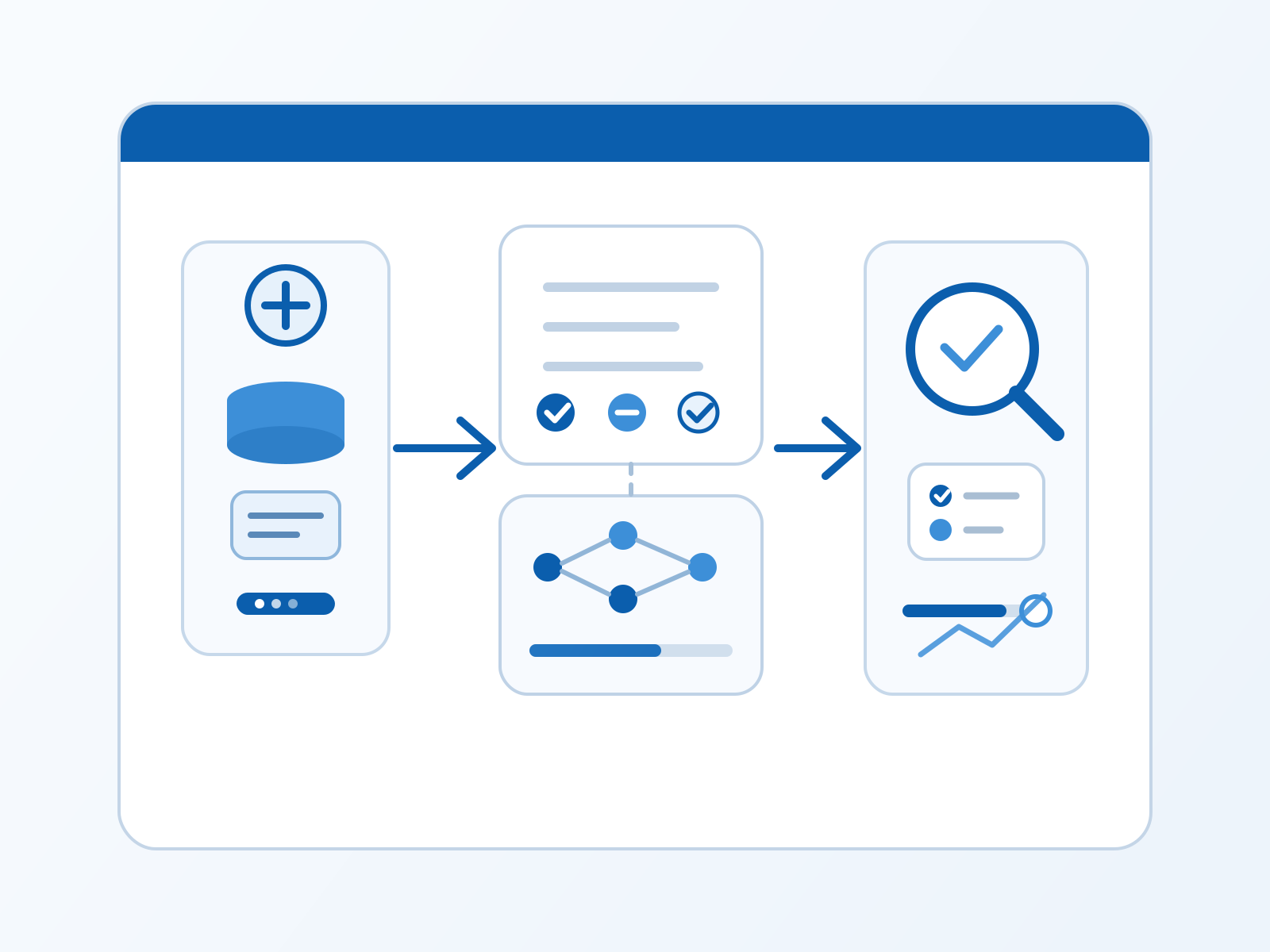
Examination of data-driven systems, machine-learning models and algorithmic decision processes.
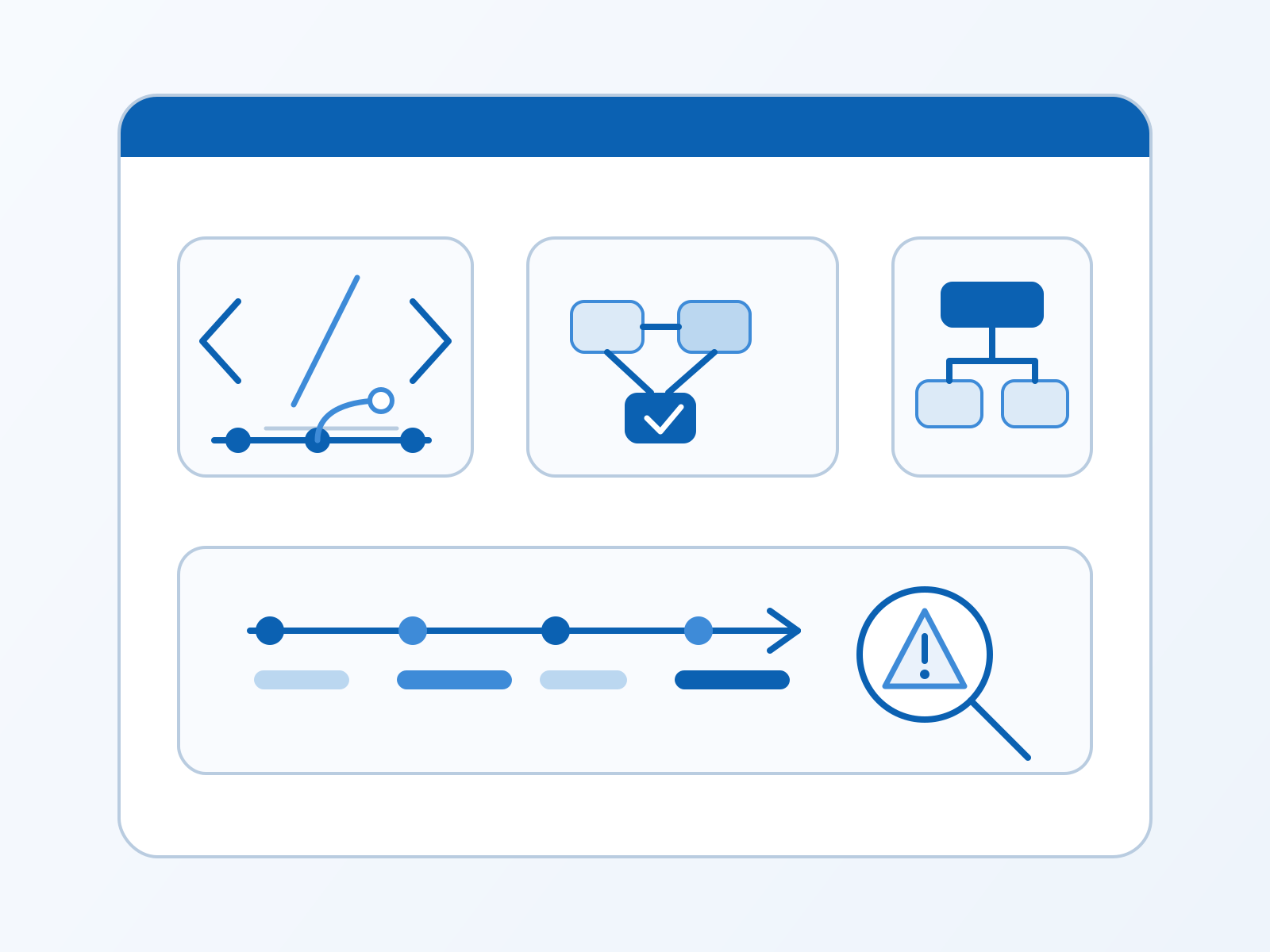
Technical examination of architecture, codebase, development processes, dependencies, deployment capability and technology risks.
The English service pages mirror the reviewed German service structure and keep technical findings, professional assessment and legal or commercial decisions explicitly separate.
Technical examination of data quality, model validity, reproducibility, bias, robustness and documented AI-system behaviour.
Neutral technical examination of software, IT projects, data and AI questions in court and legal contexts.
Technical examination of documented data-protection, fairness, transparency and compliance-related implementation requirements.
Traceable reconstruction of requirements, change states, repositories, releases, technical decisions and project risks.
Technical examination of vulnerabilities, configurations, log data, incidents and documented security measures.
Technical assessment of software architecture, source-code quality, maintainability, development evidence and technical risks.
Independent technical due diligence of software, technology products, development evidence, dependencies, risks and operational maturity.
Reproducible examination of crawlability, indexability, redirects, canonical signals, rendering, performance and technical change history.
Technical and methodological examination of usability, context of use, interaction quality and accessible operation.
Technical examination of websites, web applications and mobile apps across concrete version, deployment, device and backend states.
Systematic technical examination of software, data and process structures using disclosed technical and scientific criteria.
Academic background, publications, teaching experience, continuing education and the methodological principles of technical expert work.
Practice-oriented technical training on software, data, AI, evidence, decision documentation and expert-assessment methods.
Structured, reviewable documentation of technical examination steps, evidence, criteria, findings and limitations.
Technical assessment based on disclosed criteria and evidence rather than a desired result, with conflicts of interest checked before acceptance.