Mobile Apps
Push notifications and background work consist of multiple technical stages. A request accepted by a push service is not proof that a notification was displayed on a device, and a scheduled background task is not proof of execution at an exact time or successful completion.
Short answer
Push notifications and background work consist of multiple technical stages. A request accepted by a push service is not proof that a notification was displayed on a device, and a scheduled background task is not proof of execution at an exact time or successful completion.
A technical conclusion should distinguish the directly observed state from inferred execution, provenance or causation and remain limited to the documented versions, environment and evidence available for the examination.
1. Decompose the push delivery chain
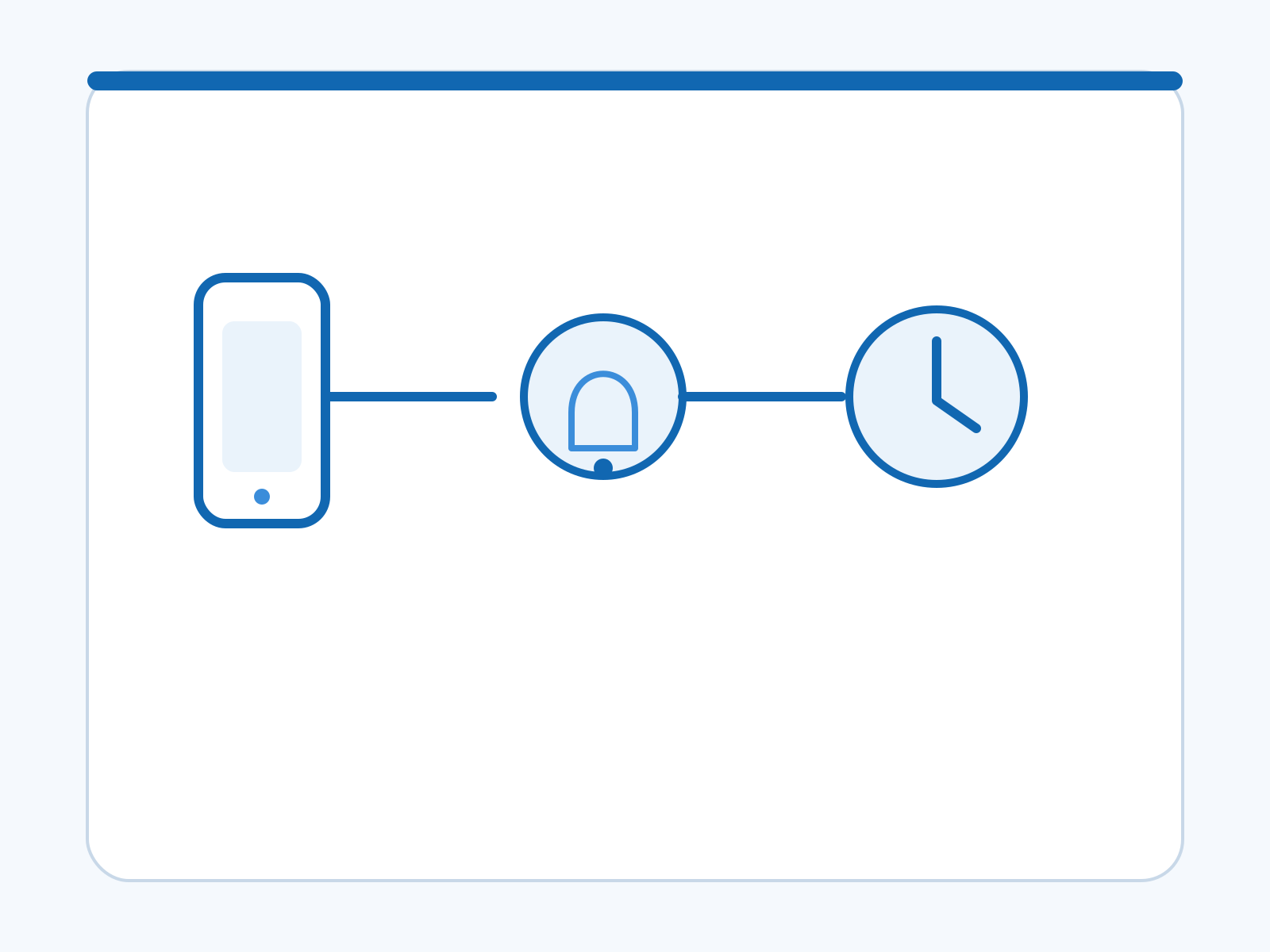
Identify the provider or server step, platform push service, device delivery and application or notification presentation as separate stages. Android and Apple push architectures each contain multiple points where a message can be delayed or fail.
Evidence should be attached to the stage it supports. A server log showing submission to FCM or APNs does not establish later device presentation.
The examination should distinguish direct observation from reconstruction. A configuration entry, API declaration, registered callback or stored value establishes only the state that was actually preserved; it does not by itself prove execution, causation or historical persistence. Where a relevant historical state cannot be recovered, the limitation should remain explicit rather than being filled by assumption.
2. Separate send, delivery and presentation
Record whether the message was created, accepted by the push infrastructure, delivered to the device and displayed or processed by the app. These are different events.
Also distinguish remote notifications from locally scheduled notifications because they have different origins and evidence paths.
The examination should distinguish direct observation from reconstruction. A configuration entry, API declaration, registered callback or stored value establishes only the state that was actually preserved; it does not by itself prove execution, causation or historical persistence. Where a relevant historical state cannot be recovered, the limitation should remain explicit rather than being filled by assumption.
3. Document app and device state at the event time
Foreground/background state, connectivity and platform conditions can influence how a notification is processed. Capture the relevant state when reproducing a missing or delayed notification.
A result observed while the app is foregrounded should not automatically be compared with a historical event that occurred while the app was suspended or terminated.
The examination should distinguish direct observation from reconstruction. A configuration entry, API declaration, registered callback or stored value establishes only the state that was actually preserved; it does not by itself prove execution, causation or historical persistence. Where a relevant historical state cannot be recovered, the limitation should remain explicit rather than being filled by assumption.
4. Interpret background scheduling correctly
WorkManager and BGTaskScheduler are platform-managed scheduling mechanisms. A request for work or an earliest begin time does not guarantee an exact start time.
Distinguish scheduled, started and successfully completed states. A background task can begin yet fail to produce the expected application effect.
The examination should distinguish direct observation from reconstruction. A configuration entry, API declaration, registered callback or stored value establishes only the state that was actually preserved; it does not by itself prove execution, causation or historical persistence. Where a relevant historical state cannot be recovered, the limitation should remain explicit rather than being filled by assumption.
5. Preserve stage-specific evidence
Collect provider responses, message identifiers, device logs, notification state and background-task evidence where available. Correlate timestamps carefully because systems can use different clocks and time zones.
The goal is to show which stage is directly evidenced rather than infer an uninterrupted chain from a single status record.
The examination should distinguish direct observation from reconstruction. A configuration entry, API declaration, registered callback or stored value establishes only the state that was actually preserved; it does not by itself prove execution, causation or historical persistence. Where a relevant historical state cannot be recovered, the limitation should remain explicit rather than being filled by assumption.
6. Limit conclusions to evidenced stages
If telemetry is missing between server submission and device observation, leave that stage unresolved. The absence of a visible notification does not by itself identify whether transport, device policy or application handling failed.
Similarly, a scheduled background request should not be reported as executed unless execution evidence exists for the relevant device and time window.
The examination should distinguish direct observation from reconstruction. A configuration entry, API declaration, registered callback or stored value establishes only the state that was actually preserved; it does not by itself prove execution, causation or historical persistence. Where a relevant historical state cannot be recovered, the limitation should remain explicit rather than being filled by assumption.
Examination checklist
- Is the push chain split into provider, transport, device and presentation stages?
- Are remote and local notifications distinguished?
- Is app/device state documented at the relevant time?
- Are scheduled, started and completed background tasks distinguished?
- Are provider and device timestamps correlated carefully?
- Are WorkManager/BGTaskScheduler timing guarantees stated accurately?
- Are unevidenced intermediate stages left unresolved?
Constructed example
A backend records a successful push-service submission, but the device shows no notification. Device logs also show that the app was backgrounded and later resumed. The available evidence proves the server submission and device state but not the missing intermediate delivery stage, so the conclusion remains bounded to those facts.
The example is entirely constructed and does not describe a real engagement, client matter or historical incident.
Sources and technical basis
- Technical maintainer sourceAndroid Developers — Persistent Work. Platform or maintainer documentation used to delimit the relevant mobile application, lifecycle, storage, notification, build or background-execution semantics. Open source.
- Technical maintainer sourceAndroid Developers — Notifications. Platform or maintainer documentation used to delimit the relevant mobile application, lifecycle, storage, notification, build or background-execution semantics. Open source.
- Technical maintainer sourceApple Developer — Using Background Tasks to Update Your App. Platform or maintainer documentation used to delimit the relevant mobile application, lifecycle, storage, notification, build or background-execution semantics. Open source.
- Technical maintainer sourceApple Developer — BGTaskRequest.earliestBeginDate. Platform or maintainer documentation used to delimit the relevant mobile application, lifecycle, storage, notification, build or background-execution semantics. Open source.
- Technical maintainer sourceApple Developer — UserNotifications. Platform or maintainer documentation used to delimit the relevant mobile application, lifecycle, storage, notification, build or background-execution semantics. Open source.
- Technical maintainer sourceApple Developer — Setting Up a Remote Notification Server. Platform or maintainer documentation used to delimit the relevant mobile application, lifecycle, storage, notification, build or background-execution semantics. Open source.
- Technical maintainer sourceFirebase — FCM Architectural Overview. Platform or maintainer documentation used to delimit the relevant mobile application, lifecycle, storage, notification, build or background-execution semantics. Open source.
- Methodological basisSources & Methodology documents the source hierarchy, counter-hypothesis control and statement boundaries used across the English knowledge base.
Further reading
- Sources & Methodology
- Mobile App, Backend, API, Offline Sync and Data Flow
- Device, OS Version and Permissions
Critical review and methodological limitation
Push and background systems are asynchronous by design. A plausible narrative from server to screen can therefore be stronger than the evidence actually supports unless every stage is kept separate.
Platform documentation explains scheduling and notification semantics, but historical execution still depends on the specific device, app state and telemetry available for the incident window.
Translation and methodological scope
This English article is based on the reviewed German V1 source article. The translation preserves the technical meaning, methodological distinctions, source status and stated limitations. It does not strengthen technical findings into legal conclusions and does not treat technical references as proof of compliance or suitability for a specific system.
Author's technical literature and publications
The following works provide additional technical and methodological context. They do not replace required primary sources, standards, manufacturer documentation or other independent specialist sources. Unpublished manuscripts, drafts and teaching materials are deliberately not presented here as public sources.

Web & Mobile Assessments
Technical examination of websites, web applications and mobile apps across concrete version, deployment, device and backend states.
Explore this assessment service